


Crafting the Perfect Venezuelan Hallacas: Traditional Venezuelan Recipes to Savor

There’s something truly magical about gathering around the kitchen, the air filled with the rich aromas of spices, meats, and fresh corn dough. For me, making hallacas is more than just cooking; it’s a celebration of heritage, family, and tradition. If you’ve ever wanted to dive into the heart of Venezuelan cuisine, crafting the perfect hallacas is a delicious place to start. These bundles of flavor wrapped in plantain leaves are a festive staple, especially during the holidays, but honestly, they’re perfect any time you want to share something special.
Let me take you on a journey through the art of making hallacas, sharing tips, tricks, and a little bit of love to help you bring this traditional Venezuelan recipe to your table.
Embracing Traditional Venezuelan Recipes: The Heart of Hallacas
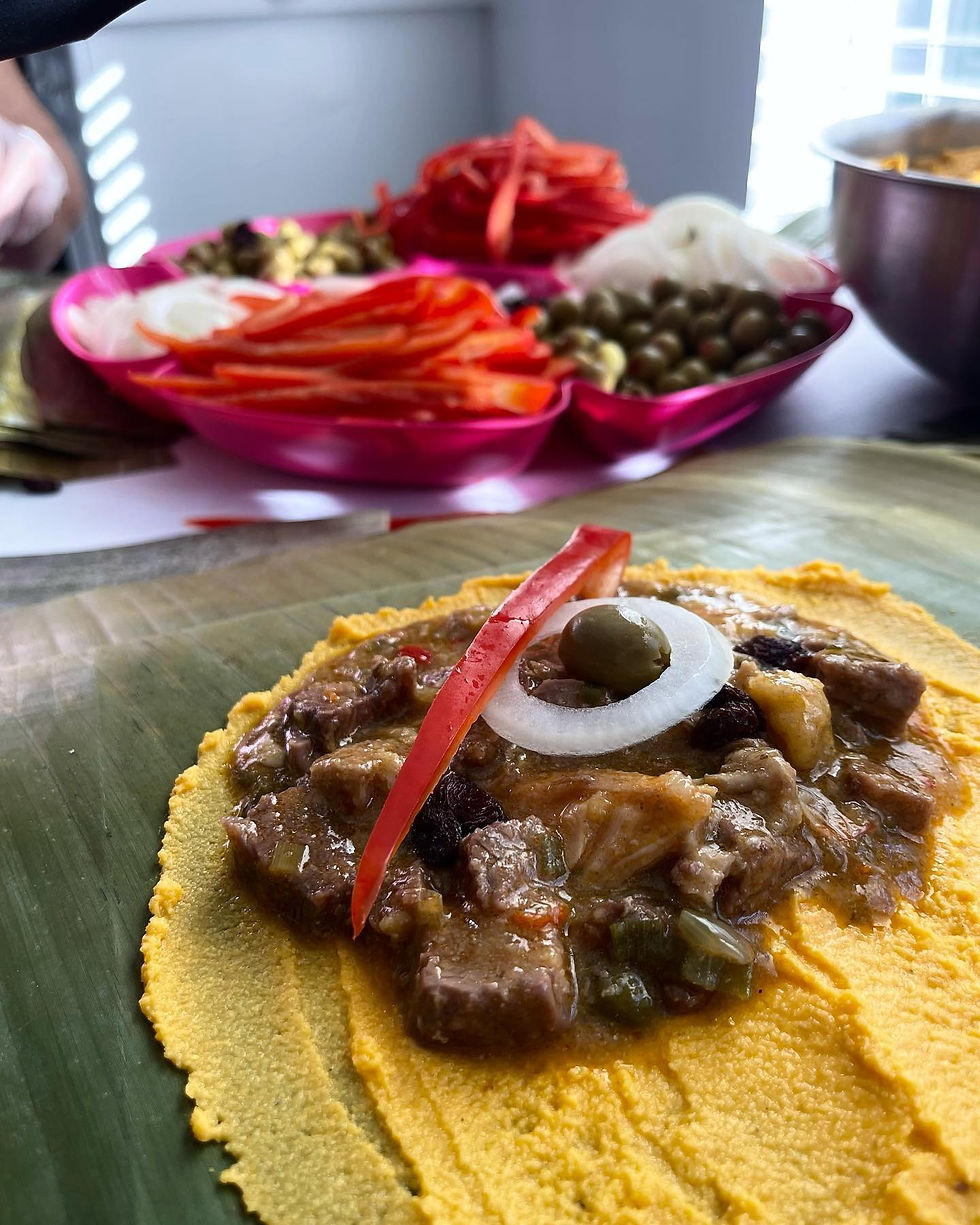
Traditional Venezuelan recipes like hallacas are a beautiful blend of indigenous, African, and Spanish influences. The process is a labor of love, often involving the whole family, and it’s this communal spirit that makes the dish so special. The core of hallacas is a cornmeal dough, filled with a savory stew of meats, olives, raisins, and capers, all wrapped in plantain leaves and boiled to perfection.
Here’s what makes this recipe stand out:
The Dough (Masa): Made from pre-cooked cornmeal, it’s soft, slightly sweet, and perfectly seasoned with annatto oil for that golden hue.
The Filling (Guiso): A rich mix of beef, pork, chicken, and a medley of spices and vegetables. Each family has its own secret blend!
The Wrapping: Plantain leaves add a subtle earthy flavor and keep everything moist during cooking.
The beauty of hallacas is in the details. From the careful preparation of the dough to the slow-cooked filling, every step is about layering flavors and textures. If you’re ready to roll up your sleeves, I promise the results will be worth every minute.

Step-by-Step Guide to Making Hallacas: A Hands-On Experience
Making hallacas might seem intimidating at first, but breaking it down into manageable steps makes it a joyful and rewarding experience. Here’s how I approach it:
1. Preparing the Dough (Masa)
Mix pre-cooked cornmeal with warm water, annatto oil, salt, and a bit of broth from the meat stew.
Knead until smooth and pliable. The dough should be soft but not sticky.
Cover and let it rest while you prepare the filling.
2. Cooking the Filling (Guiso)
Brown your choice of meats (beef, pork, chicken) in oil.
Add onions, bell peppers, garlic, and tomatoes, cooking until soft.
Stir in olives, raisins, capers, and a blend of spices like cumin, paprika, and black pepper.
Let it simmer gently until the flavors meld beautifully.
3. Wrapping the Hallacas
Soften plantain leaves by passing them over an open flame or boiling briefly.
Cut into squares large enough to fold around the dough and filling.
Spread a thin layer of dough on the leaf, add a spoonful of filling, then fold carefully into a neat package.
Tie with kitchen string to secure.
4. Cooking the Hallacas
Boil the wrapped hallacas in salted water for about an hour.
Remove, let cool slightly, then unwrap and enjoy!
This process is perfect for a family gathering or a weekend project. Don’t rush it! The best hallacas come from patience and care.
What is a Famous Snack in Venezuela?
While hallacas are a festive main dish, Venezuela is also famous for its delicious snacks that you can enjoy any day. One of the most beloved is the arepa - a versatile cornmeal cake that can be grilled, baked, or fried and stuffed with a variety of fillings like cheese, shredded beef, or black beans.
Another popular snack is tequeños, crispy fried cheese sticks wrapped in dough, perfect for parties or a quick bite. These snacks showcase the diversity and richness of Venezuelan cuisine, offering something for every craving.
If you’re exploring traditional Venezuelan recipes, trying these snacks alongside hallacas will give you a fuller taste of the culture and flavors.

Tips for Perfecting Your Hallacas Every Time
Making hallacas is an art, but a few insider tips can make your experience smoother and your results even better:
Use Fresh Plantain Leaves: They’re essential for authentic flavor and proper steaming. If you can’t find them fresh, frozen leaves work too.
Balance the Filling: The mix of sweet (raisins) and salty (olives, capers) creates a wonderful contrast. Taste as you go!
Don’t Overfill: Too much filling makes wrapping tricky and can cause the hallacas to burst during cooking.
Prepare in Advance: Hallacas taste even better the next day, so making them ahead is a great idea.
Get the Family Involved: Wrapping hallacas is a social event. Invite friends or family to join in the fun!
Remember, every batch you make will teach you something new. Enjoy the process and celebrate the flavors of Venezuela.
Bringing Venezuelan Flavors to Jacksonville: A Culinary Invitation
If you’re in Jacksonville and craving authentic Venezuelan food, you’re in luck! There’s a growing appreciation for traditional dishes like hallacas venezolanas, and local spots are embracing these flavors with open arms. Whether you’re planning a family gathering, a festive event, or just want to treat yourself to something special, hallacas offer a unique and satisfying experience.
For those who want to dive deeper into Venezuelan cuisine, exploring traditional recipes is a wonderful way to connect with culture and community. And if cooking isn’t on your agenda, keep an eye out for local catering services that bring these authentic tastes right to your doorstep.
I encourage you to try making hallacas at home or seek out places that serve them with love and authenticity. It’s a delicious way to celebrate heritage and share joy with those around you.
If you want to learn more about hallacas venezolanas, check out local resources and recipes that can guide you through this delightful culinary adventure.
Crafting hallacas is more than just a recipe; it’s a journey into tradition, flavor, and togetherness. So grab your ingredients, gather your loved ones, and start wrapping those bundles of joy. Your taste buds will thank you!


Comments